

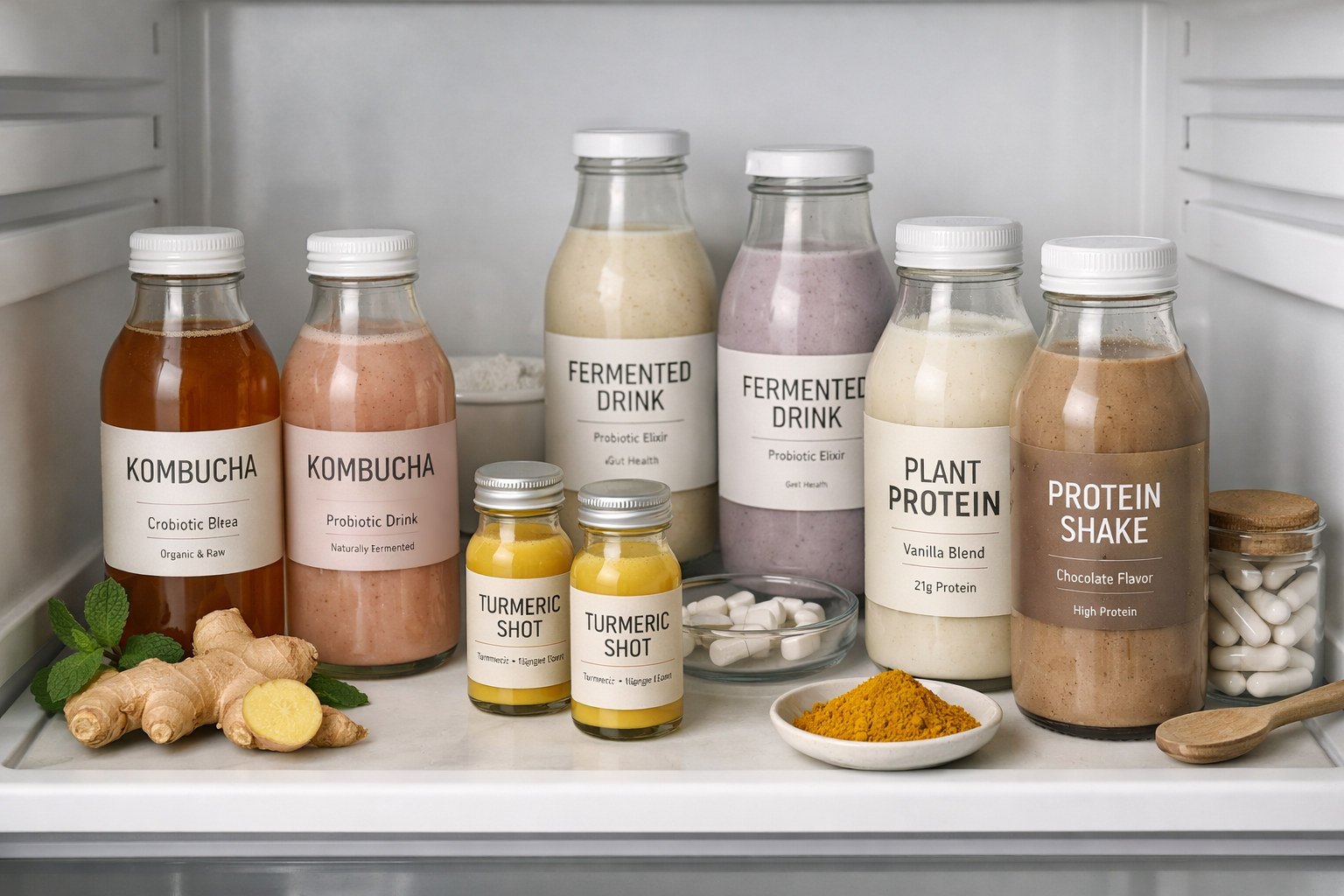
People are rethinking how they choose what to drink. In the past, picking a beverage was simple: coffee for energy, soda for refreshment, or water for hydration. Now, consumers want more from their drinks. They look for options that help with digestion, boost immunity, support metabolism, and promote long-term wellness.
This change has led to the growth of the functional beverage market. Drinks like kombucha, turmeric shots, fermented beverages, and protein blends are now part of many people’s daily habits. This is more than a passing trend. From 2026 to 2030, functional beverages are expected to change how drinks are made, sold, shipped, and enjoyed.
This article looks at the main factors shaping the global functional beverage market. It covers topics like how Ayurveda has become a major export, the growing focus on gut health, and the ways consumer demands fortransparency, personalization, and sustainability are changing the future of wellness drinks.
A major growth story in the beverage industry is the rise of Ayurveda-based drinks worldwide. Once seen only as traditional Indian medicine, these drinks are now a strong export category with huge potential.
Studies predict that Ayurveda-based beverage exports will grow at a compound annual rate of 18-22%, the highest among all categories studied. This rapid growth is driven by the strong appeal of 'India wellness' and the global use of Ayurvedic ideas for health and nutrition.
Export strategies are tailored to fit the needs of each region, rather than using a single approach. Market analysis shows clear patterns:
The positioning focuses on 'Functional + Indian Origin Wellness,' combining Ayurveda, fermentation, and natural extracts.
More consumers are focusing on gut health and the microbiome, which is now a key driver of functional beverage growth. People are learning how gut health affects overall wellness and are looking for products that help support it.
This trend shows in the high expected growth rate for ready-to-drink fermented beverages, which is projected at 15-18%. This growth is making drinks like kombucha more common, moving them from specialty health stores to regular supermarket shelves.
This focus is also bringing back traditional fermented drinks. Products such as Kanji (a fermented carrot drink), rice-based fermented drinks, buttermilk blends, and non-alcoholic coconut toddy are being updated for today’s consumers. These traditional methods fit well with the 'India wellness' story, making the products seem more authentic and appealing for export. It also shows that people are moving away from choosing drinks just for taste or caffeine, and are now looking for benefits like better digestion and overall wellness.
Many people think functional beverages are only for elite athletes or fitness fans. But market data shows that the main audience is much broader and more accessible.
The main group driving this market is urban, health-conscious professionals aged 25-45. These millennials and Gen Z consumers are not usually training for marathons. Instead, they focus on preventive wellness. They spend on their health and look for premium drinks with functional benefits and low sugar to fit into their busy lives. Their interest in managing their health is also why they want clear ingredient lists and smart packaging, so they can see proof of the benefits they are buying.
Besides selling directly to consumers, the institutional B2B market is also a major source of revenue. This includes gyms, hotels, cafés, hospitals, and airlines, all of which are buying more functional beverages. These buyers usually sign steady bulk contracts, making this a reliable and scalable way for brands to grow.
Urban professionals and institutions are the main drivers, but more people are becoming interested in functional beverages. Other key groups include NRIs and global wellness consumers who prefer products with Ayurvedic roots. Another growing segment is women aged 18-35, who are interested in how nutrition, wellness, and skin health are connected, often through subscription services.
In the next few years, consumers will expect more than just good taste from their drinks. The future of beverages will focus on three main ideas: full transparency, strong personalization, and proven sustainability.
First, people want more transparency. Clear ingredient lists and clean-label promises are now must-haves. Technology is helping with this, using smart packaging with QR codes and sensors to track shelf life. Soon, scanning a bottle will show its full journey from farm to fridge, building trust with consumers. There are also new sugar-free recipes using natural sweeteners like dates and jaggery.
Next, the market is shifting toward more personalized drinks. Instead of one-size-fits-all, beverages are now being made to fit individual needs. The most advanced trend is 'hyper-personalized' drinks based on a person’s unique gut health. There are also more ready-to-drink protein blends made for everyday wellness, not just for athletes.
Finally, sustainability is now a key reason people choose certain drinks. Consumers are paying more attention to how brands affect the environment, which is pushing the industry to be greener. Some leading brands are already working on carbon-neutral factories powered by renewable energy, making their whole production process more environmentally friendly.
The beverage industry is going through major changes. Instead of just focusing on hydration and taste, drinks are now expected to offer functional, personalized, and transparent wellness benefits that fit into our daily routines. Whether it’s Ayurvedic exports, gut-friendly drinks, or products for preventive health, one thing is clear: we want our drinks to do more.
As we start to fill our fridges with personalized, microbiome-based drinks and see packaging that tells us everything about what’s inside, it raises a question: what other parts of our daily lives might change in the same way?
Velox sees the functional beverage market as a key intersection of nutrition science, preventive health, and export growth. Consumers are moving from buying only when needed to making wellness a regular habit. This shift is more than a trend it will change how products are developed, exported, and marketed. Brands that focus on transparency, traceability, and proven benefits will stand out and maintain strong pricing both at home and abroad.
We also see that global interest in Indian functional beverages, based on Ayurveda, fermentation, and natural extracts, is growing beyond cultural appeal. It is becoming part of the health-tech space, where personalized formulas, clean labels, and proven results will drive growth. Markets like the US, EU, GCC, and Singapore are ready for science-backed, personalized drinks that support gut health, immunity, menstrual wellness, brain health, skin health, and metabolism. For brands, standing out now depends on evidence, customer experience, and strong execution not just being new or different.
Velox Consultants helps beverage founders, brands, suppliers, and exporters turn new wellness trends into scalable business models.
Our capability includes:
We specialize in primary research, industry modeling, and export planning. This helps brands grow faster, lower their risks, and see a clearer return on investment.
What qualifies a beverage as functional?
A functional beverage offers health benefits beyond just hydration. These can include support for gut health, immunity, metabolism, brain function, or skin health, and they use ingredients that are backed by evidence.
Which functional beverage categories will grow fastest through 2030?
The fastest-growing categories are fermented gut-health drinks, Ayurveda-inspired wellness shots, plant-protein blends, cognitive wellness beverages, and drinks for menstrual wellness.
Why is gut health becoming the central innovation focus?
Gut health affects immunity, metabolism, and mental wellness. As people learn more about the microbiome, they look for drinks with probiotics, prebiotics, postbiotics, and adaptogens.
Is Ayurveda scalable for global consumers?
Yes. Ayurveda is growing worldwide because it uses natural ingredients, has cultural trust, and is gaining more scientific support, especially in premium products ready for export.
How do functional beverages justify premium pricing?
Clean labels, ingredient transparency, personalization, scientific backing, traceability, and subscription-led convenience support premium pricing.
Do functional beverages require clinical trials to scale?
Clinical trials are not required initially, but evidence for each ingredient helps with exports, builds investor trust, and supports partnerships with institutions.
What are the biggest export barriers for Indian functional beverage brands?
Core challenges include sugar regulations, clean-label requirements, shelf-stability standards, supply chain reliability, and traceability documentation. These can be mitigated through GEO-specific formulation and certified ingredient sourcing.
Which consumers drive demand beyond athletes?
The highest-value segments are urban professionals (25–45), women seeking metabolic & skin wellness, institutional buyers, and subscription wellness consumers who link beverages to daily routines rather than occasional fitness.
How can institutional channels support predictable revenue?
Hotels, hospitals, airlines, universities, and gyms buy in bulk through contracts, which lowers customer acquisition costs and keeps inventory steady. This channel is important for stability as direct-to-consumer costs go up.
What strategic steps precede scaling or fundraising?
Check that your product fits the market, test pricing, make sure you can export, prepare for B2B sales, and understand your costs. Brands that skip these steps often lose customers and grow more slowly.