
India stands at a transformative juncture in its transportation journey. The streets of the nation’s cities, once a sea of smoke-spewing two-wheelers and diesel buses, are gradually seeing a silent revolution. Electric vehicles (EVs), once a futuristic dream, are now an urgent policy agenda and a visible reality, powered by the government’s ambition to curb emissions and reduce oil imports. The push for EVs is about much more than adding charging stations; it’s about rethinking mobility itself, how vehicles are made, powered, maintained, and experienced by consumers. The real challenge, and opportunity, is to create an EV ecosystem that is as dynamic and diverse as India itself.
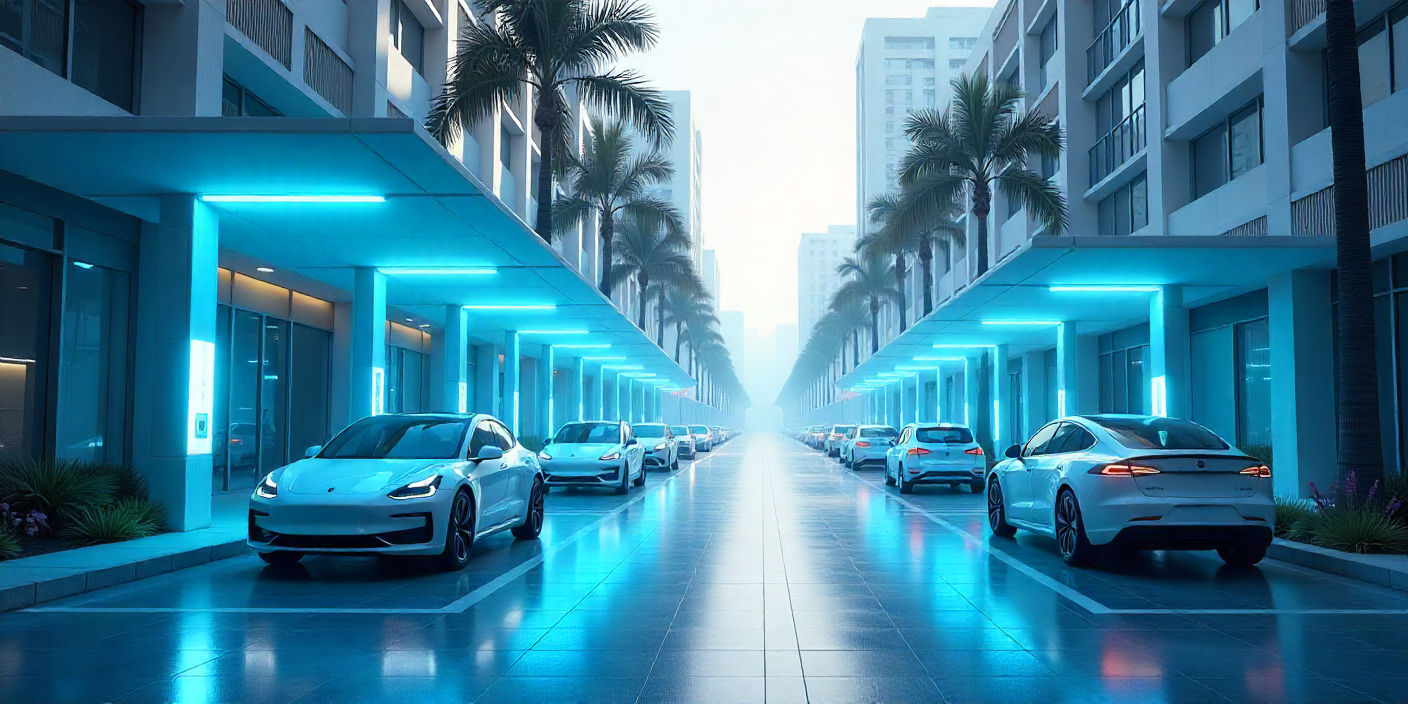
India’s EV infrastructure has been on a remarkable growth trajectory, reflecting the country’s increasing commitment to transitioning its transport sector toward sustainability. Over the past year, this growth has been exponential, with meaningful improvements in geographic coverage, technology adoption, and ecosystem integration. The expansion of public charging stations, a crucial backbone for EV adoption, has accelerated, primarily concentrated in urban centres, yet gradually permeating tier-2 and tier-3 cities and intercity corridors. This spread addresses one of the key barriers to EV adoption, range anxiety, by ensuring charging accessibility beyond major metros.
Fuelling this progress are robust government initiatives such as the PM E-DRIVE scheme, which prioritizes aggressive infrastructure build-out alongside investments in grid modernization and testing facilities. The push is supported by burgeoning participation from private sector players, including energy providers, automotive manufacturers, and startups innovating in battery swapping and fast-charging technologies. Importantly, infrastructure expansion is becoming more nuanced and user-centric, offering a mix of slow residential chargers, fast public chargers, and battery-swapping stations to meet the diverse needs of passenger cars, two-wheelers, and commercial fleets.
Nevertheless, challenges remain. While metropolitan hubs like Delhi, Mumbai, Bangalore, and Hyderabad boast high charging station densities, many smaller cities and rural areas still lag.
The ratio of EVs to chargers highlights the urgency: as EV sales surged to over 2 million units in the current year, charger deployment must accelerate further to avoid supply-demand gaps that can hinder consumer confidence. The journey thus balances rapid infrastructure deployment with smart integration of digital platforms and renewable energy solutions to create a resilient, accessible, and scalable network.
Here are some of the useful stats from various government publications:
This blend of accelerating infrastructure deployment, technological diversification, and expanding geographic reach encapsulates where India’s EV ecosystem stands today, a dynamic but incomplete platform poised for rapid evolution in the coming years.
The EV revolution is not just about plugging in; it’s about weaving together new businesses and technologies. India’s grid is being overhauled, upgrades and “green” integration are making it possible for EVs to be powered by solar and wind, not just coal. Meanwhile, battery plants are springing up with global and domestic giants betting big on local production. An effective EV ecosystem interlinks various critical components:
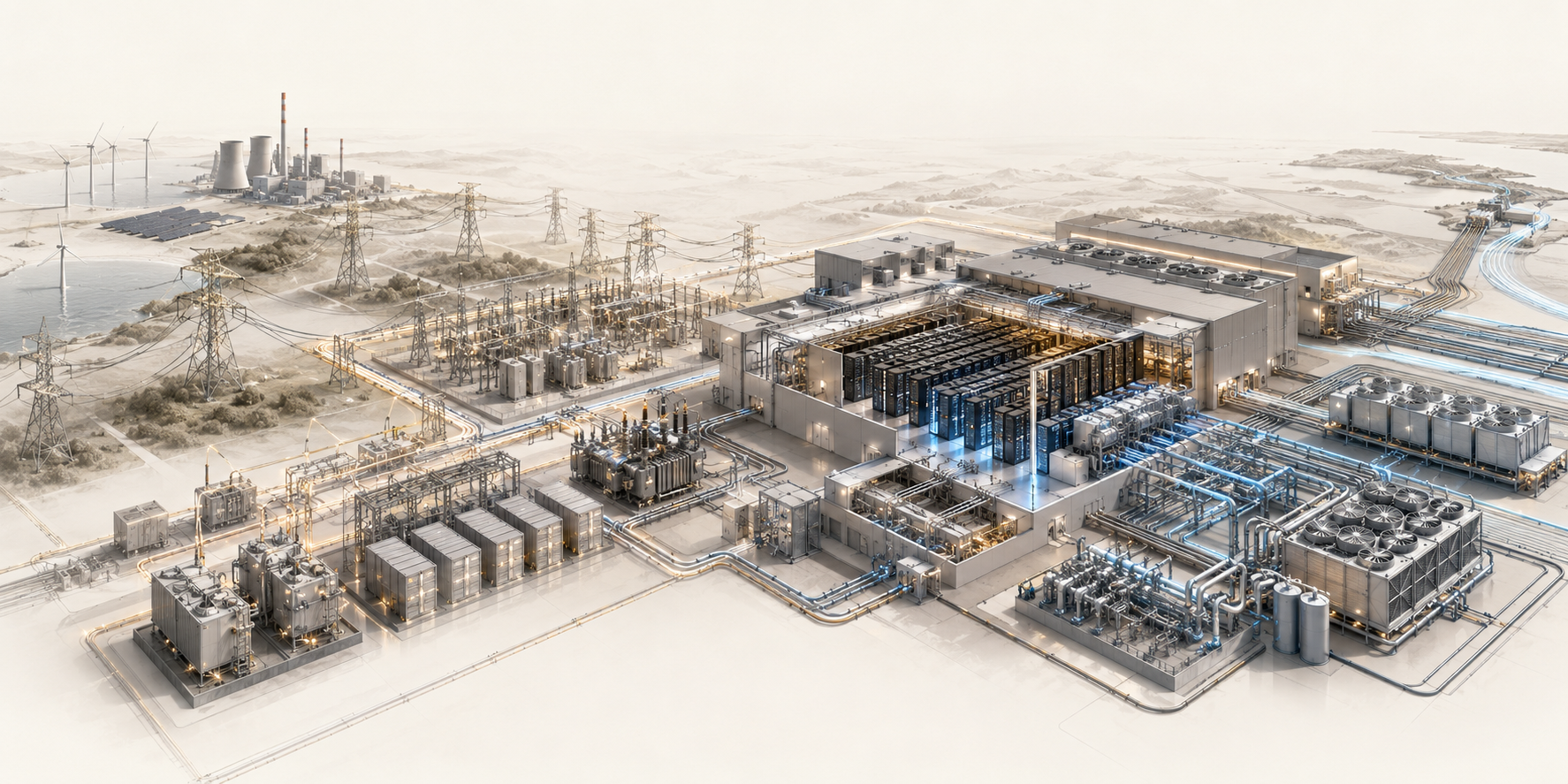
India’s electricity grid is undergoing a fundamental transformation to support the rapid uptake of electric vehicles while aligning with the nation’s sustainability goals. Traditionally designed for steady and predictable loads, the grid now has to accommodate the sharp peaks and increasing loads created by fast-charging EV stations, especially in high-density urban areas and highway corridors. Over the past year, major investments have gone into upgrading transmission and distribution infrastructure, including advanced load management technologies that enable dynamic balancing of supply and demand.
Equally critical is the integration of renewable energy sources into EV charging networks. Thanks to recent regulatory reforms like the 2024 Green Open Access Rules, EV charging stations can now directly procure power from solar and wind projects, bypassing conventional coal-heavy grids. This shift not only reduces the carbon footprint of EV charging but also enhances energy security by diversifying supply sources. By mid-2025, around a quarter of all new EV chargers were powered partially or fully by renewables, demonstrating the growing normalization of green energy in this sector. Innovative pilots in cities such as Bengaluru and Pune showcase microgrids combined with battery storage solutions that smoothen peak loads and ensure resilience. Additionally, emerging vehicle-to-grid (V2G) technologies are exploring how parked EVs can feed electricity back into the grid to aid in load balancing during peak demand periods, turning EVs into mobile energy assets.
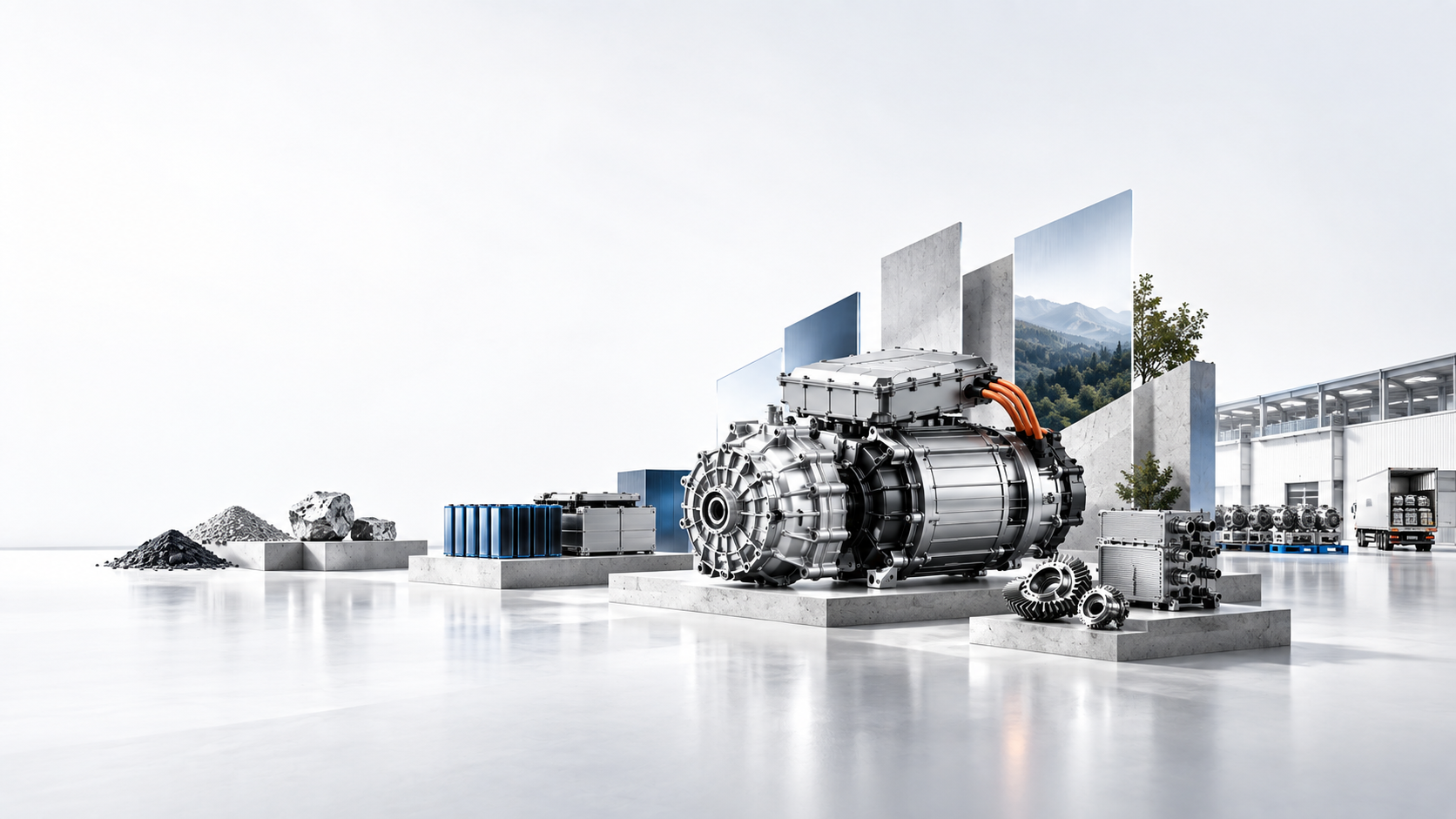
Battery technology sits at the heart of the electric mobility drive, and India is moving rapidly to build sovereign capabilities in this domain. The government’s Advanced Chemistry Cell (ACC) Production Linked Incentive (PLI) scheme is a flagship initiative to scale domestic manufacturing and reduce import dependence. As of 2025, three operational gigafactories led by Tata Chemicals, Amara Raja, and Exide have collectively crossed 12 GWh of annual lithium-ion cell production capacity. These factories not only cater to domestic demand but are also exporting to Southeast Asian markets, helping position India as an emerging battery manufacturing hub. The national target is ambitious: reach 50 GWh of domestic production by 2030, which would substantially reduce reliance on imports, particularly from China.
Complementing manufacturing is the focus on battery recycling and second-life applications. New regulations under extended producer responsibility (EPR) mandate the collection and safe recycling of used batteries, making sustainability an integral part of the ecosystem. In 2025 alone, approximately 10,000 tons of spent lithium batteries were recycled by companies like Lohum and Attero Energy, which are pioneers in cell reuse and repurposing batteries for stationary energy storage systems. These measures not only reduce environmental impact but also help recover valuable raw materials, easing supply constraints.
India’s automotive manufacturers are aggressively localizing production and supply chains in response to government policies like Make in India and the Auto PLI scheme. Domestic original equipment manufacturers (OEMs) such as Tata Motors and Mahindra have significantly expanded their EV production capabilities, investing over ₹4,000 crore in setting up dedicated EV manufacturing lines and research & development (R&D) centres over the last year. These efforts support the deeper integration of domestic components, with more than 60% of parts now sourced locally.
Global players, including Hyundai and MG, are collaborating extensively with Indian suppliers for key components like battery packs, power electronics, and charging hardware, helping to infuse advanced technology into local manufacturing. The PLI scheme offers incentives of up to 18% cashback for component manufacturers, catalysing investments and innovation within the domestic ecosystem. This development is creating thousands of skilled jobs, with over 30,000 direct employment opportunities generated in the EV value chain in the last 12 months alone. Indigenous R&D is also gaining ground, fostering homegrown innovations in battery chemistry, vehicle design, and sustainable materials.
Digital technologies serve as the nervous system of India’s EV ecosystem, enabling seamless connectivity, efficient management, and enhanced user experience. Platforms like e-AMRIT and the Bureau of Energy Efficiency’s (BEE) public charging dashboards have achieved rapid adoption, with over 3.5 million registered users as of August 2025, a 44% increase year-over-year. These platforms offer features such as real-time charging station locators, booking systems, and integrated digital payment mechanisms that simplify the charging experience for consumers.
On the backend, sophisticated Application Programming Interfaces (APIs) connect charging point operators (CPOs), electric vehicle manufacturers, and energy providers to exchange real-time data on charger status, energy consumption, and billing. This interoperability, reinforced by new standards outlined in 2025 by the Bureau of Indian Standards, assures that vehicles from all major OEMs can access all certified chargers without compatibility issues. Such seamless integration fosters greater user trust and promotes wider EV adoption, while also optimizing infrastructure utilization and reducing downtime.
India’s rapidly evolving EV market is witnessing the rise of novel business models that lower barriers for consumers and commercial operators alike, making electric mobility more accessible and economically viable. The Battery-as-a-Service (BaaS) model has gained traction, particularly in the two and three-wheeler segments, with companies like Sun Mobility and Esmito operating battery swapping stations across 19 major cities. This approach eliminates the need for high upfront battery costs, enabling instant “refueling” and reducing downtime for last-mile delivery fleets and urban commuters.
Subscription and pay-as-you-go schemes are expanding, allowing small and medium logistics operators to use electric vehicles without hefty capital investments. Meanwhile, fleet operators are deploying artificial intelligence-driven management platforms that optimize charging schedules, route planning, and battery health monitoring, boosting operational efficiency and vehicle uptime. Several startups, supported by government innovation grants, are exploring bundled mobility and energy solutions, integrating residential and workplace charging with electricity retail to create holistic and user-friendly offerings. Collectively, these innovative models are helping democratize access to EV technology and stimulating rapid market growth.
All of this is supercharged by policy: the FAME-II and ACC-PLI schemes aren’t just acronyms, they’re creating thousands of jobs, incentivizing innovation, and encouraging a generation of engineers to reimagine India’s mobility.
The road to an electric future is not without obstacles. Installing a charging station in a dense city is a logistical challenge; land is scarce, regulatory clearances are complex, and the payback period for investors remains uncertain. The grid itself is at a crossroads; it must balance unpredictable EV demand spikes with the fluctuating nature of renewable energy.
Standardization is another challenge, with multiple charging connectors and battery types competing in the market, threatening interoperability. Beyond these technical issues lies a human one: India’s motorists are deeply tradition-bound and cost-sensitive. Many still worry that an EV might leave them stranded, or that resale values will remain low.
Yet, these are challenges with solutions. Where regulation lags, industry-led coalitions are emerging. Where awareness is missing, state-sponsored campaigns are building trust. The landscape is changing, if sometimes slowly.
India’s EV journey presents a rare chance to leapfrog old paradigms. The integration of renewables with EV charging could enable a genuinely green transport sector imagine charging your car entirely with rooftop solar. Battery swapping is revolutionizing “last-mile” connectivity for delivery fleets and urban commuters, offering speed, affordability, and flexibility.
India’s EV ecosystem is poised for rapid expansion, driven by innovation and market forces:
India’s leap into EVs offers a once-in-a-generation opportunity to redefine mobility, industry, and urban life. The road forward requires more than just rapid infrastructure deployment; it demands a mindset shift among consumers, policymakers, and industry leaders. A sustainable EV future in India requires:
With strategic focus and coordinated effort, India can accelerate from charging stations to a thriving, cutting-edge EV ecosystem that advances economic growth, sustainability, and quality of life.
Velox Consultants sees India’s EV transition as a confluence of opportunity and complexity, demanding visionary yet pragmatic approaches. We specialize in providing comprehensive insights that blend policy trends, market realities, and technology innovations into actionable strategies tailored for diverse stakeholders.
Partner with Velox Consultants to harness deep domain knowledge and a commitment to India's sustainable EV future, where vision translates into measurable impact across the mobility landscape.
Empower your journey into India’s dynamic EV ecosystem with Velox Consultants: leverage expert strategy, market insights, and operational excellence to transform challenges into growth opportunities. Connect with us today to electrify your future and lead the green mobility revolution!
Reach out now to energize your success with Velox Consultants!
1. What is fueling the rise of EV infrastructure in India?
Government programs like PM E-DRIVE, investments from automakers and energy firms, and renewable power solutions are boosting EV expansion in India. Urban interest, tighter pollution regulations, and advancements in fast charging and battery swapping are driving adoption in both big cities and smaller towns.
2. How are renewable energy sources blending with EV charging stations?
Under the Green Open Access Rules of 2024, EV chargers are allowed to buy renewable energy. This avoids using coal-heavy electricity grids. By 2025, a quarter of new charging stations will use power from sources like wind, solar, or a mix of both. Cities such as Pune and Bengaluru are running trials with microgrid-powered chargers to improve uptime and cut emissions.
3. What EV charging options exist?
People in India using electric vehicles have several choices:
This combination of options works well for city-based travelers and companies involved in logistics.
4. How does the Indian government boost EV infrastructure development?
The government provides subsidies, offers low-interest loans to set up charging stations, and gives tax incentives. The PM E-DRIVE plan focuses on building fast-charging highways, battery-swapping setups, and connecting the system to renewable energy. Local production rules aim to reduce imports of chargers and electronic components.
5. What changes are reshaping EV infrastructure in India?
Key breakthroughs include battery-swapping for delivery vehicles connecting smart grids, testing Vehicle-to-Grid pilots, and utilizing solar power with storage to enhance charging energy efficiency. These advancements make charging systems more reliable and environmentally friendly while reducing costs for users and operators.