

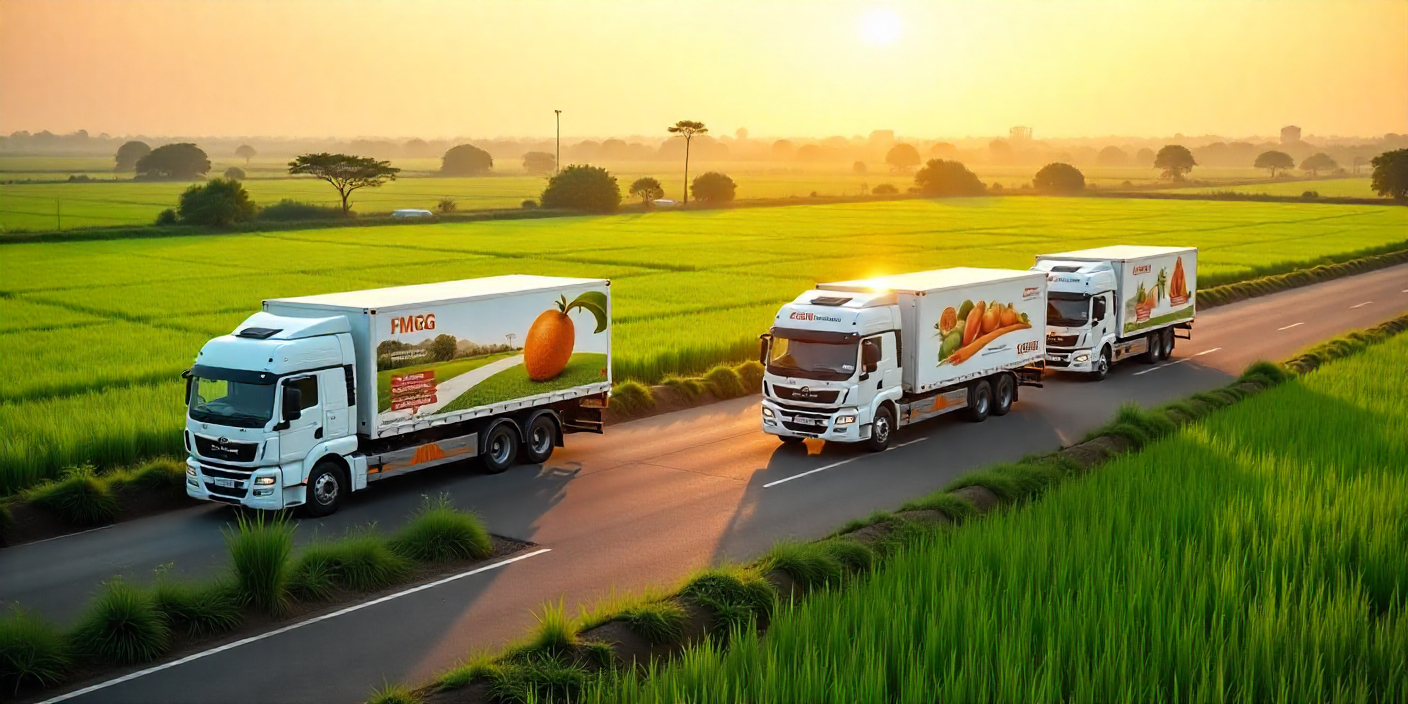
India's rural markets represent the most significant untapped consumption opportunity in the global economy, with 65% of the nation's population driving accelerated growth rates that consistently outpace urban counterparts across every performance metric. This comprehensive strategic framework presents an integrated approach to capturing the ₹12 trillion rural opportunity through cohesive Agri-FMCG ecosystem development that simultaneously elevates farmer incomes while establishing sustainable market leadership.
The convergence of digital infrastructure expansion, supportive policy frameworks, and evolving consumer preferences creates an unprecedented strategic window for companies to establish dominant market positions through farm-to-fork integration. With rural FMCG growth at 8.4% versus urban's 2.6%, and rural internet users reaching 488 million—already exceeding urban penetration—the demographic and technological foundations for transformation are firmly established.
Demographic Transformation and Market Opportunity
Rural India is home to the world’s largest rural population, with more than half of the country’s people continuing to live in villages well into the coming decades. This demographic stability, paired with the region’s growing economic transformation, is shaping a strong and enduring consumption base that multinational companies can no longer afford to ignore.
The economic signals are clear: rural markets are outpacing urban areas in FMCG growth, with basket sizes growing significantly faster. This isn’t just about catching up—it reflects deeper shifts in how rural consumers are spending, shaped by rising incomes, greater digital access, and evolving aspirations.
Digital Infrastructure Revolution
The digital transformation sweeping through rural India is one of the most profound shifts shaping the global economy today. Rural areas now host more internet users than urban centers, with growth showing no signs of slowing. This rapid expansion is fueled by a surge in smartphone adoption, which is empowering millions of rural Indians to embrace digital lifestyles.
This connected infrastructure is reshaping consumer behavior in meaningful ways. A significant share of rural consumers now prefer digital payment methods like UPI, contributing a substantial portion to the country’s overall digital transactions. These changes are laying the groundwork for modern commerce and opening the door to more sophisticated, targeted marketing strategies across rural markets.
Policy Framework and Government Support
The Indian government’s strong focus on rural development is creating new opportunities for integrated agri-FMCG strategies. Programs like the Pradhan Mantri Gram Sadak Yojana have built extensive rural road networks, improving connectivity and reducing logistics costs. At the same time, thousands of Farmer Producer Organizations (FPOs) are helping farmers pool their resources, attract corporate partnerships, and access financial support, making rural markets more accessible than ever.
Foundation Layer: Agricultural Excellence and Sourcing
The integrated strategy starts by promoting nutrient-rich crops through bio-fortified seeds, developed in partnership with ICAR and ICRISAT. These crops enhance both farmer incomes and consumer health. With strong policy support, including Prime Minister Modi’s endorsement and ICAR’s efforts to scale adoption, the momentum is clear. Building on this, the approach incorporates climate-smart practices like precision farming, satellite monitoring, and data analytics to improve yields and resource efficiency while ensuring resilience to climate challenges.
Aggregation and Processing Architecture
FPO-based aggregation helps build strong, long-term partnerships with corporations by connecting a wide network of farmer producer organizations. This supports thousands of farmers and enables large volume commitments, creating reliable supply chains for FMCG companies while ensuring stable incomes for farmers. Buy-back agreements with assured pricing shield farmers from market risks and give processors a steady supply of raw materials.
Decentralized processing with compact “micro-mills” near farm clusters reduces transport costs, while solar-powered units and IQF tunnels minimize post-harvest losses. This boosts farmer earnings and improves margins for processors.
Product Development and Brand Strategy
Rural-centric brand portfolios convert traditional crops into premium SKUs targeting health-conscious consumers. The transformation of millets into cookies, turmeric into latte mixes, and traditional oils into cold-pressed variants demonstrates premiumization potential.
The PMFME scheme's ₹10,000 crore allocation with 35% capital subsidies up to ₹10 lakh per unit supports micro-processing infrastructure development. This policy framework enables rapid scaling of processing capabilities while maintaining capital efficiency through government support.
Traditional Channel Optimization
The kirana store network is the backbone of rural distribution, with most of India’s 12 million stores located in villages and small towns. These micro-retailers need strong support systems to manage inventory, working capital, and product mix effectively. Traditional trade remains highly relevant, even as digital channels grow. Super-stockists in hub towns use a hub-and-spoke model to serve sub-stockists, ensuring high product availability and efficient working capital management across widespread rural markets.
Women-Led Distribution Networks
HUL’s Project Shakti is a powerful example of women-led distribution in India. With over 1.6 lakh Shakti Ammas across 18 states, the program brings essential products to half of India’s villages while empowering women with sustainable livelihoods. These entrepreneurs earn an average of ₹8,000 a month, outperforming traditional channels in sales growth. By tapping into their personal networks and local trust, Shakti Ammas drive product adoption in remote areas. Training in digital tools, accounting, and product knowledge helps them run efficient, community-based micro-enterprises.
Technology-Enabled Distribution
Digital platforms are transforming rural distribution with GPS-routed delivery vehicles and e-B2B apps that cut operational costs by 20% and offer digital credit for 30-day terms. Rural e-commerce players like Meesho and Amazon “Local Shops” now see half their orders coming from Tier 4+ towns, showing strong adoption of digital shopping. UPI integration is driving seamless payments, with growing rural preference for digital transactions. Even QR code “scan-to-buy” features on packaging are opening direct-to-consumer channels while supporting traditional retail networks.
Vernacular Marketing and Content Strategy
Rural marketing success depends on vernacular content and video-first engagement strategies. Creator networks on Social media channels and WhatsApp deliver native storytelling that resonates with rural audiences, generating higher engagement than celebrity advertisements. Farmer-influencer content creates authentic connections while demonstrating product benefits through peer testimonials.
The emphasis on local language content addresses the finding that more than 62% of internet users in urban India prefer Indic languages, indicating even stronger preference patterns in rural markets. This linguistic preference requires comprehensive content localization across multiple regional languages and dialects.
Community-Centric Engagement
Rural marketing goes beyond targeting individual consumers—it focuses on engaging entire communities. Self-Help Groups (SHGs) act as both distribution channels and brand advocates, fostering trust through community validation. Training rural youth as “Agri-FMCG technopreneurs” not only creates sustainable jobs but also strengthens brand loyalty. This approach acknowledges that rural buying decisions often involve families and social groups, making it essential to build collective trust and use culturally sensitive engagement strategies—quite different from the individualistic patterns seen in urban markets.
Traceability and Transparency Systems
Blockchain-enabled QR codes offer seed-to-shelf visibility, boosting consumer trust and helping brands meet export compliance. This technology answers growing demand for transparency, supports quality assurance, and positions products as premium. It also helps brands respond quickly to supply chain issues and align with emerging food regulations, as consumers increasingly expect higher standards and safety.
Sustainability and Environmental Stewardship
Integrated ESG strategies not only tackle environmental challenges but also create strong competitive advantages. Using biodegradable packaging from agricultural waste can unlock tax benefits under circular economy incentives. Setting carbon reduction targets helps meet ESG goals and opens doors to green financing. Similarly, precision agriculture technologies improve resource efficiency, cutting water use by up to 30% and greenhouse gas emissions by 20-30%, all while lowering operational costs and supporting global sustainability standards.
Innovative Financing Solutions
The integrated model calls for smart financing solutions that cater to both farmers and processors. BNPL input finance from fintech’s like Jai Kisan offers ₹50,000–₹2 lakh at 12–15% interest, helping farmers access quality inputs without straining their cash flow. Parametric weather insurance with quick UPI AutoPay settlements safeguards farmer incomes and ensures a steady supply. For FPOs, credit guarantee funds from SFAC provide working capital up to ₹2 crore, enabling larger commitments and stronger corporate partnerships. Together, equity grants, credit guarantees, and technical support build a robust financing ecosystem for sustainable growth.
Comprehensive Risk Mitigation
Risk management tackles challenges like commodity price swings, climate impacts, and market disruptions. Mitigating MSP spikes with hedging and diversifying into crops like spices and horticulture helps protect against policy-driven volatility. Climate risks are addressed through parametric insurance, resilient crop varieties, and geographically diverse sourcing to ensure supply chain stability. Managing channel conflicts with selective SKU allocation and aligned incentives strengthens distributor relationships while expanding direct distribution. This balanced approach supports sustainable growth without straining existing partnerships.
Phase 1: Foundation Development (Months 0-6)
Strategic execution starts by building a strong foundation through core infrastructure and key partnerships. Identifying ODOP clusters and collaborating with FPOs establishes a reliable supply base. Developing prototype SKUs with shelf-life validation ensures the products are ready for market launch. This phase focuses on building relationships with farmer communities, government agencies, and distribution partners to foster trust and enable smooth scaling. Investing in local talent and training programs also lays the groundwork for sustainable, long-term operations.
Phase 2: Operational Scaling (Months 7-15)
Operational scaling involves setting up micro-processing facilities and onboarding 1,000 Shakti-style distribution entrepreneurs. A digital traceability system ensures quality control and regulatory compliance. The focus is on achieving operational excellence with technology-driven real-time monitoring, consistent product standards, and improved distribution efficiency, aiming for cost savings and high fill rates.
Phase 3: Market Expansion (Months 16-24)
Geographic expansion to 25,000 villages and partnerships with quick-commerce platforms are fueling strong volume growth. Achieving plastic-neutral operations highlights ESG leadership and strengthens market positioning. The strategy focuses on scaling into new geographies with proven models, balancing growth with operational excellence to ensure quality and sustainability. Revenue goals include ₹250 crore rural GMV and high ESG compliance.
Phase 4: Market Leadership (Months 25-30)
The market leadership phase focuses on expanding exports to five countries and issuing sustainability-linked bonds. Achieving 15% of total sales from exports shows strong global competitiveness, while reducing carbon intensity by 20% highlights environmental leadership. This stage strengthens market position through innovation and sustainability, supported by ongoing R&D investment and technology upgrades to stay ahead in changing market conditions.
Comprehensive Metrics Framework
The impact on farmers, environmental sustainability, and financial performance measures success. Farmers benefit from higher farm-gate prices compared to mandi rates, which improves their income. Efforts to include more women in sales networks promote gender equity. On the environmental front, reducing the wastage of fruits and vegetables, as well as achieving significant CO₂ reductions, highlights the commitment to sustainability and operational efficiency.
Financial Performance and Sustainability
The business aims to strike a balance between strong profitability and high customer satisfaction, reflecting a sustainable growth model. Regular performance reviews help drive continuous improvement. ESG reporting through Business Responsibility & Sustainability Reports (BRSR) supports access to responsible investments and showcases a positive social impact, strengthening stakeholder trust.
Market Evolution and Opportunities
The integrated Agri-FMCG model is shaping the future of rural markets in India, offering companies a pathway to long-term growth. With rising rural e-commerce, new FSSAI initiatives for “natural nutrient” labelling, and EV policies driving down freight costs, the stage is set for market leaders to thrive as policy, technology, and consumer preferences align.
Strategic Partnerships and Ecosystem Development
Future success in rural markets will rely on strong partnerships between AgriTech platforms, FMCG companies, and government agencies. Collaborations like those between Ninjacart, DeHaat, and FMCG majors are driving growth through co-branded products. By combining strengths and sharing risks, these partnerships deliver holistic solutions, allowing each player to focus on their areas of expertise.
Market and Operational Risks
The integrated model faces several risks that need smart mitigation. Commodity price swings can hurt sourcing margins, as rising MSPs may erode cost advantages. Strategies like commodity hedging and crop diversification can help stabilize costs and secure supply. Climate risks, such as erratic monsoons and extreme weather, also threaten operations. Using parametric insurance, climate-resilient crops, and sourcing from diverse regions can keep supply chains steady despite weather disruptions.
Technology and Regulatory Risks
Digital fraud and cybersecurity threats erode consumer trust, especially among new tech users. Strong security measures, consumer education, and advanced fraud detection help protect both customers and brand reputation. Meanwhile, evolving food safety, environmental, and labor regulations demand constant monitoring and quick adaptation. Staying proactive with regulators and investing in compliance systems ensures long-term market access.
Capital Allocation Strategy
The integrated model requires substantial investment in infrastructure, including micro-processing units, cold chains, and distribution networks. Government schemes such as PMFME help ease this burden by offering subsidies that support faster deployment. Investments in technology—such as traceability systems, digital platforms, and analytics—enhance efficiency and create scalable solutions for quality-driven growth.
Return on Investment Analysis
Integrated Agri-FMCG models offer strong, sustainable returns by combining cost efficiencies for food brands with better incomes for farmers. This approach creates value for all stakeholders, strengthens brand loyalty, and builds a competitive edge through early scale and deeper market presence.
The integrated Agri-FMCG strategy goes beyond operational efficiency—it’s about reimagining how businesses engage with rural India. By aligning farmer prosperity, consumer needs, and corporate growth, this approach creates a powerful blueprint for impact.
With demographic shifts, rising digital infrastructure, and strong policy support, there’s a unique opportunity to lead in one of the world’s largest rural economies. Success here requires vision, operational excellence, and a profound commitment to creating value for all stakeholders. This isn’t the time for incremental steps. Rural India’s transformation requires bold, holistic strategies that embrace its complexity and unlock its potential. Companies that take this path won’t just thrive in rural markets—they’ll set a new global standard for how commerce and community can drive shared prosperity.
At Velox Consultants, we recognise that every organisation’s journey in the Agri-FMCG sector is unique—whether you’re just entering rural markets, seeking to deepen your footprint, or striving to transform your supply chain for sustainable growth. Our signature Ascent Matrix diagnostic pinpoints precisely where you may be stuck—be it in distribution optimisation, digital transformation, or aligning your portfolio with evolving consumer needs. Through this clarity, we tailor our integrated strategic framework to unlock the specific drivers of value for your brand, enabling both rapid scaling and resilient, long-term customer loyalty.
Choosing Velox means more than adopting best practices—it signals a commitment to future-proofing your agri-FMCG business. From market entry to leadership, our partnerships are built on actionable insights, ESG alignment, and performance roadmaps tuned for continuous improvement. If you’re ready to move beyond incremental gains and create lasting impact across the rural value chain, connect with our experts today and discover how Velox Consultants can help you capture market share, elevate farmer livelihoods, and position your brand for sustained category leadership.