

The Union Budget 2025-26 emphasizes MSME growth, innovation, sustainability, and digital transformation. Key initiatives include enhanced credit, export support, and investments in AI, clean energy, and infrastructure development for inclusive growth.

Davos 2025, themed Industries in the Intelligent Age highlights AI, clean energy, smart manufacturing, sustainable mobility, and climate-smart agriculture. Global leaders emphasize strategic investments, policy reforms, and cross-sector collaborations to drive innovation, economic resilience, and global competitiveness in an AI-driven world.

The global Digital Twin market is projected to expand from $21.1 billion in 2024 to $119.8 billion by 2029, achieving a remarkable CAGR of 41.6%. Digital twins, driven by advancements in IoT, AI, and cloud computing, are revolutionizing manufacturing, healthcare, energy, and smart cities through predictive analytics and real-time optimization.

Pharmaceutical engineering is transforming with advancements in personalized medicine, biologics, digital health, AI, advanced drug delivery systems, and sustainable practices. These innovations are revolutionizing drug development, manufacturing, and patient care, driving growth and efficiency in the global pharmaceutical market.

Nanotechnology transforms industries with high-performance and sustainable advancements, impacting healthcare, energy, and agriculture. Precise drug delivery, efficient solar cells, and nano-fertilizers improve outcomes and create new markets. Investing in nanotech drives innovation and growth.

MedTech innovations such as AI, telemedicine, and wearable devices transform healthcare by enhancing diagnostics, personalizing treatments, and improving patient outcomes for a more efficient and accessible future.

Innovations in healthcare, which focus on personalized treatments and diagnostics, are revolutionizing patient care. The global digital therapeutics market is estimated to exceed $20 billion by 2030. Challenges such as regulatory hurdles and data security are crucial, alongside trends like AI and collaboration between tech and pharma. India's growth in this sector is notable, driven by government support and innovation, indicating a promising future for global healthcare advancements.

Leverage technology, collaboration, empathy, and adaptation to prioritize customer experience, driving improved health outcomes and positively impacting public health through digital engagement, personalized care, stakeholder collaboration, quality and safety, and optimized access.

Advancements in genomics are transforming the healthcare industry by providing a means to decode the language of DNA. This breakthrough discovery enables us to usher in a new era of personalized medicine, preventive care, and potentially even cures for previously untreatable illnesses.

Promising startup sectors include blockchain, synthetic biology, AI, space, and sustainability. These areas have grown due to secure systems, biotech advances, AI demand, space exploration, and sustainability needs.
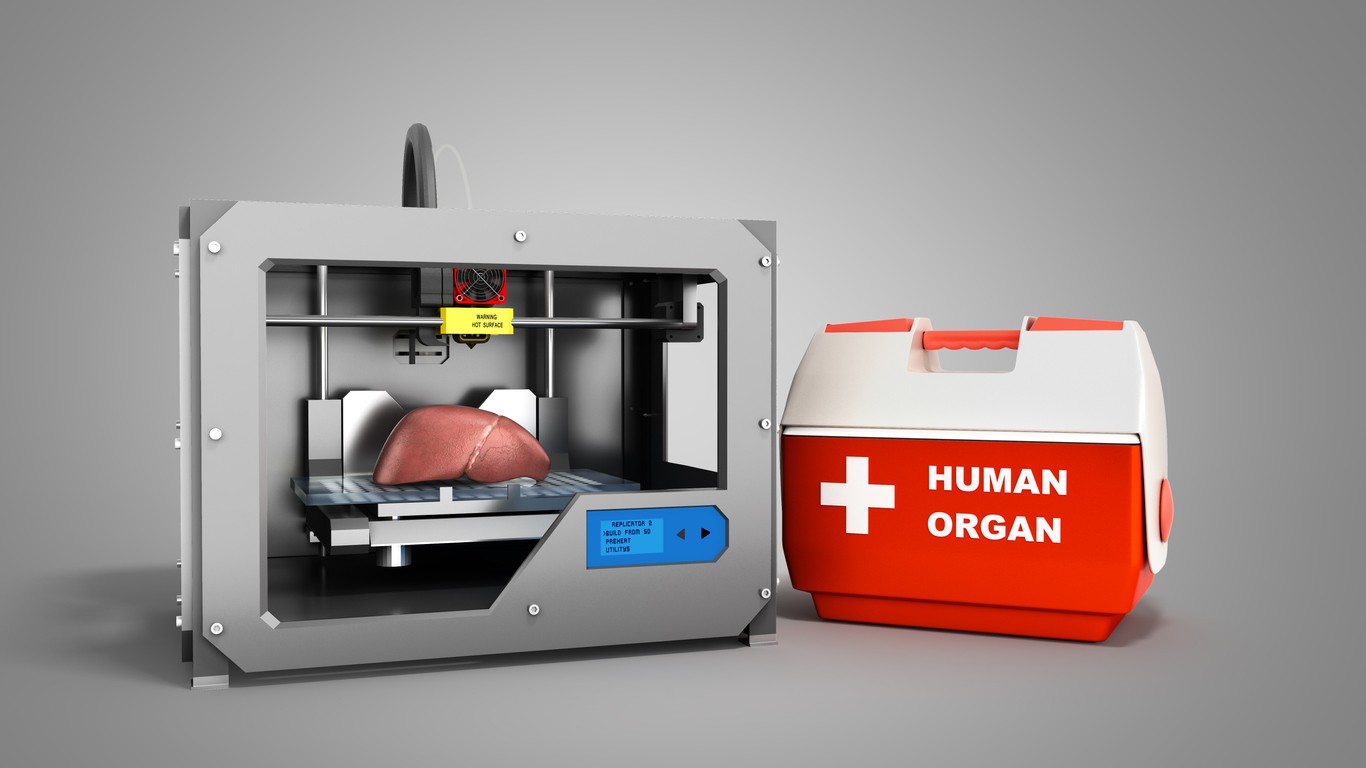
3D bioprinting creates living tissues and organs for personalized medicine, drug testing, and regenerative therapies. It mimics human tissues and advances organ transplantation, disease modeling, and treatment development.

Healthcare wearables will reach $70B by 2028, driven by health awareness and remote patient monitoring. They provide personalized health data and are used in space, defence, sports, and more. New developments include Astroskin, WHOOP and Elbit Systems devices.